The five-activity rotation that makes screen-time panic easier to handle
 Kukini Team • 3 min read • July 1, 2026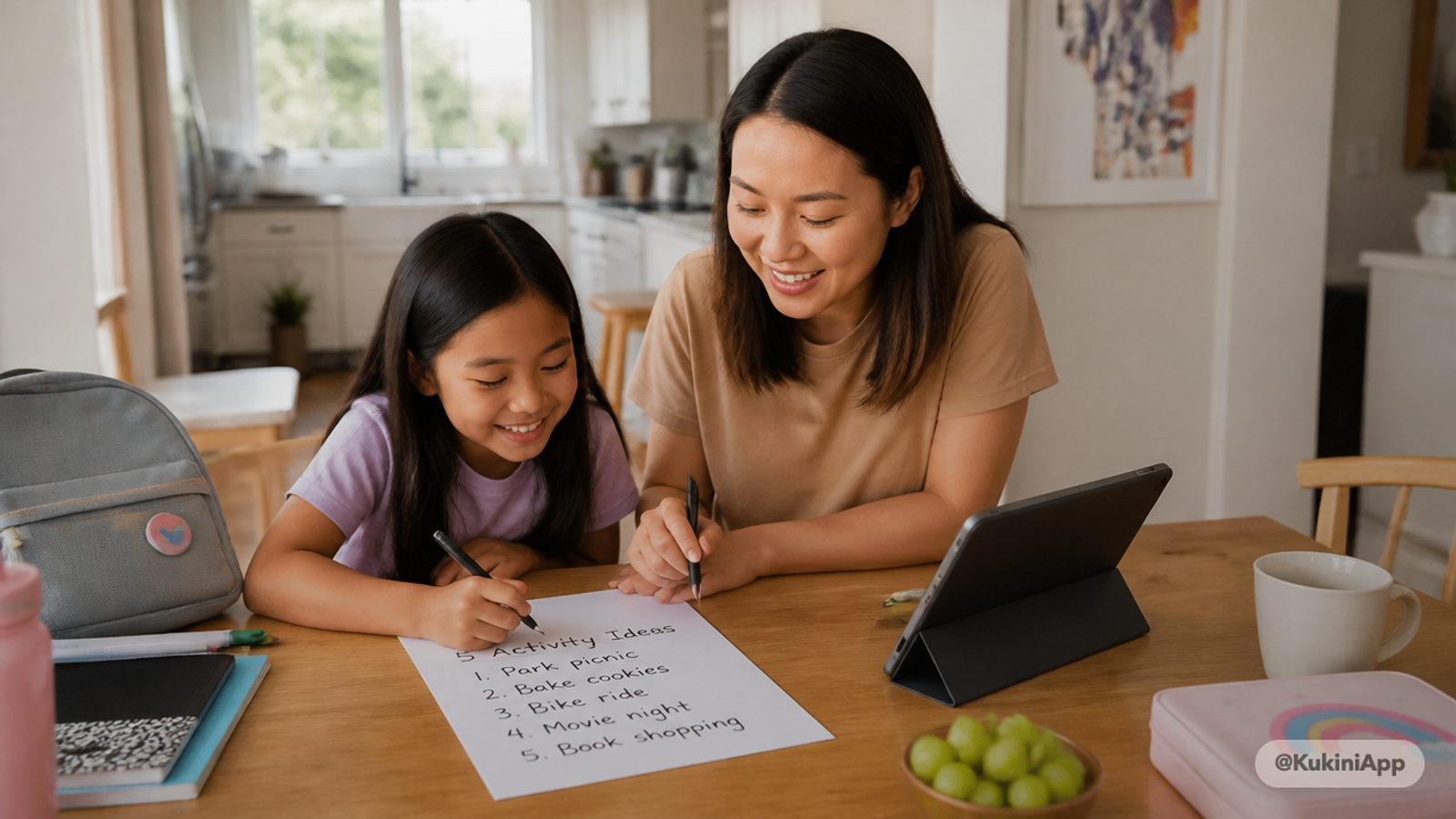
A lot of screen-time conflict starts before anyone actually touches a device. It starts in that awkward stretch where a kid is bored, a parent is tired, and nobody wants to invent a new idea from scratch. In one recent parent discussion on r/Parenting, the frustration was familiar: once screens become the default response to boredom, every transition gets harder. That does not mean screens are the enemy. It means families may need a better next move that is ready before the whining starts. Here is a simple way to build one.
Why boredom becomes a screen battle
Boredom is often the moment when family energy starts leaking out of the room. Everyone is done, nobody is especially patient, and the fastest option wins by default. That is how screens get promoted from one tool to the standard answer. The trouble is not that families are lazy or careless. It is that they are deciding under pressure, and pressure makes the same shortcut look irresistible.
Reframe boredom before you try to fix it
The point is not to make boredom disappear immediately. Reporting from Real Simple and Parents.com points in the same direction: boredom can be useful, and families often do better with low-friction, repeatable alternatives than with a one-off novelty activity. That is a helpful reframe for parents too. You are not failing if you do not entertain every minute. You are just choosing to make the next step less chaotic.
Build the five-activity rotation
The rotation works best when it is simple enough to remember on an exhausted day. Pick five categories that are easy to explain and easy to repeat: something to make, something to move, something to read or listen to, something outside, and something quietly independent. The exact activities can change, but the categories stay steady. That keeps the system from becoming another project you have to manage.
Make it visible enough to use
A good rotation fails if it lives only in one adult's head. Put it where everyone can see it, name the rule out loud, and keep the language plain: when you're bored, pick one of the five before asking for a screen. If a child needs more structure, add a simple order or time box so the decision gets even easier. The goal is not perfect compliance. The goal is fewer negotiations and a calmer handoff from bored to busy.
Small systems usually beat big speeches
A five-activity rotation will not erase every screen-time fight. It will not make boredom magical. What it can do is remove some of the daily improvisation that makes families feel stuck.
If you want one practical next step, start with the list, not the perfect activity. Choose five options that are already realistic in your house, write them down, and make the next bored moment easier to handle.