
Trends & Insights
When parenting help creates more things to worry about
You look up one question about sleep and somehow leave with opinions about mattresses, wake windows, white noise, and whether the night-light is the correct shad...
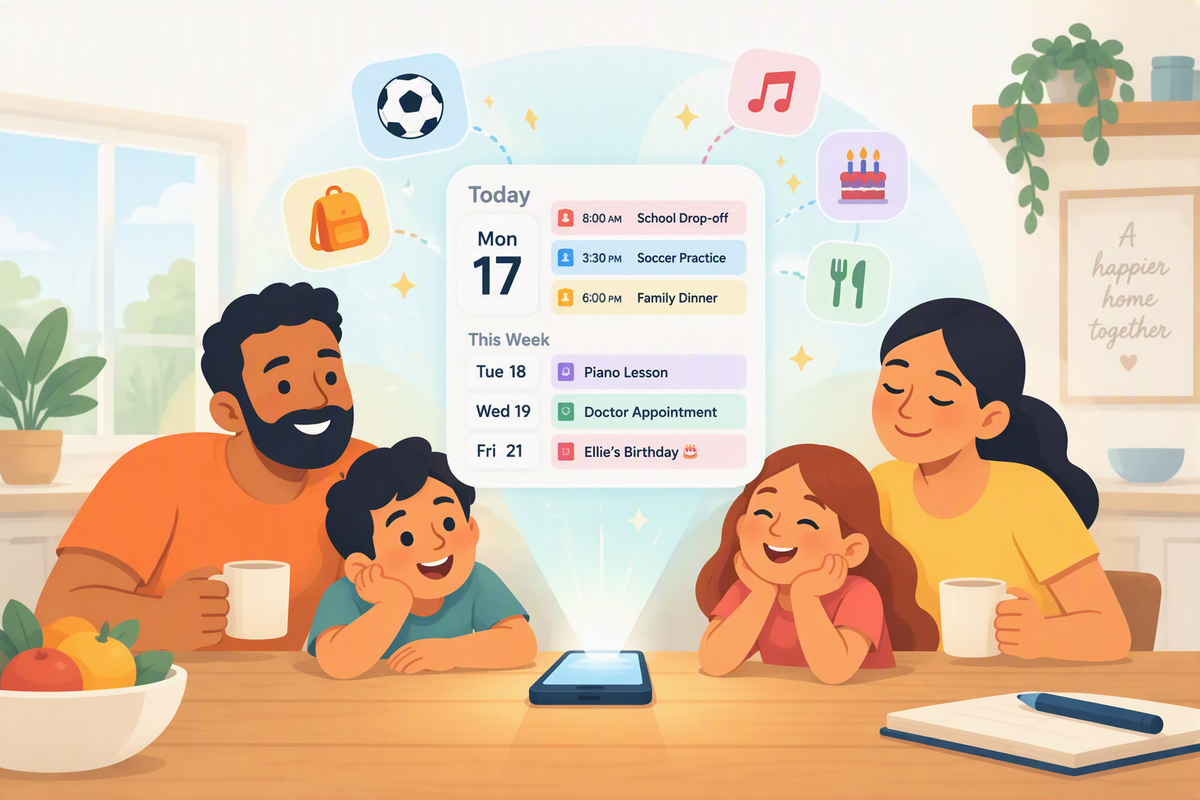
You look up one question about sleep and somehow leave with opinions about mattresses, wake windows, white noise, and whether the night-light is the correct shad...

The Kukini ChatGPT Plugin is officially live in the ChatGPT Plugin Directory! Earlier this year, we introduced our Model Context Protocol (MCP) server, opening ...

Parents are often handed an impossible-sounding assignment: decide whether technology is good or bad for your teen, then make the correct rule and somehow keep u...

There is a particular kind of tired that comes from holding two generations of logistics at once. One minute you are figuring out school pickup or soccer practic...

Caregiving is easy to imagine as a single hard moment, but for many families it starts much earlier. It shows up in the ordinary work of noticing changes, sharin...

At Kukini, our mission has always been to help families coordinate, organize, and manage daily life with peace of mind. A core part of that commitment is ensurin...

AI is already good at the parts of family life that feel endless: scheduling, reminders, lists, and the small coordination jobs that eat up the day. That kind of...

Most parents do not sign a child up for sports because they think every game will build character on its own. They do it because they want movement, teamwork, ro...

Aging in place can sound like a win-win: keep someone at home longer, use cheaper hardware, and avoid at least some of the cost of facility care. But for many fa...

When a teen's friend group starts looking more anxious, withdrawn, or overwhelmed, it is tempting to treat that as a simple case of emotional contagion. But that...

A school switch is usually sold in terms of access, commute, fit, and academics. What it can also change is something much less visible: the parent network that ...

A lot of screen-time conflict starts before anyone actually touches a device. It starts in that awkward stretch where a kid is bored, a parent is tired, and nobo...

A lot of parents start tracking because they want reassurance. That makes sense. When you are in the middle of baby sleep, feedings, and a brain that feels like ...

Vacation can loosen the whole family schedule in ways that are not a big deal until you get home and realize bedtime is later, naps are messy, and screens have c...

A lot of workplace advice for parents assumes the year keeps moving in a straight line. It does not. Summer changes the shape of the day: school is out, backup c...

A lot of family tension lives in the small gap between “I just want to know you’re okay” and “I’m checking because I need to know where you are.” That gap matter...

The easiest way to read the new Kids Count score is as a ranking update. The more useful way is to read it as a systems signal. When child well-being falls from ...

There is a version of midlife that does not feel like a clean handoff from family-building to retirement planning. It feels more like both are happening at once....

Homework looks simple on paper: assign the work, do the work, turn it in. In real families, it is rarely that tidy. It turns into reminders, missing papers, uncl...
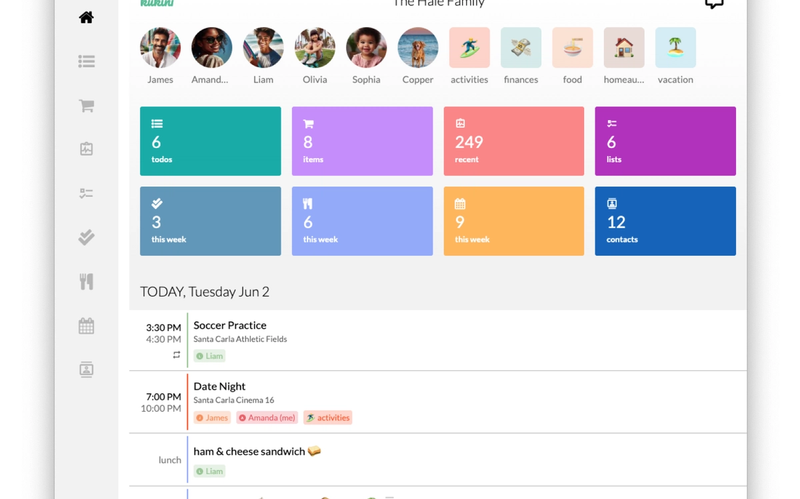
For a long time, one of the most requested features from our community has been the ability to access Kukini from a laptop or desktop computer. Today, we are inc...

Summer can look like a break on the calendar, but for many working parents it turns into a coverage puzzle. Camp schedules, short-term care, pickups, budgets, wo...

A lot of parents think about early learning as something separate from daily life: a workbook, a class, a planned activity, a good week when everyone is extra pa...

There is a strange thing that happens when both adults are home more often: some of the work becomes easier to see, and some of it becomes easier to miss. That i...

A lot of families know this feeling: the routine is on the wall, the expectations are clear, and yet the house still feels like it is running on friction. That i...

In a lot of families, the oldest daughter is praised for being helpful. She steps in when adults are busy or tired. It’s known as the oldest daughter syndrome an...

Being the default parent is rarely announced. It usually shows up as the person who notices the forms, remembers the pickup time, tracks the next appointment, an...

Most parents do want to support early learning. The problem is not usually caring less; it is that family life is crowded, and good intentions get squeezed out b...

Parents are asked to optimize a lot: behavior, screens, enrichment, meals, schedules, moods, the whole stack. But the reality most families live in is less tidy ...

A lot of parents do not need a lecture about fairness. They need the daily friction to stop. The hard part is that most of the work that creates stress is invisi...

A lot of families assume bedtime gets hard because everyone is tired. That is part of it, but it is usually not the whole story. The more exhausting piece is oft...

When parents talk about the mental load, the conversation often sounds broad and almost too big to pin down. But the examples keep getting very specific: school ...

Bedtime has a way of making even calm families feel like they are suddenly doing something wrong. One night it is fine, the next night it turns into negotiation,...

Most families do not need another reminder to care about school. They already care. What they often need is a better way to keep details from scattering across t...

Somewhere between the first exhausted pediatric appointment and the fifteenth diaper change you did not fully remember, a question shows up: when do I stop track...

Flexible work is usually sold as a relief, and sometimes it is. But in real family life, flexibility does not make the interruptions go away. It just changes who...

When childcare support disappears, families usually do not get a graceful transition. They get a work schedule to renegotiate, a pickup plan to rebuild, and a lo...

There is a particular kind of parenting guilt that shows up when it feels like the relationship with your child has been replaced by a nonstop stream of correcti...

A lot of household friction gets described as a chores problem, but that is usually too small a label. The issue is often everything wrapped around the chore: re...

The newborn window has a way of turning basic things into slippery things. Did the baby eat at 8:10 or 8:40? Was that diaper before or after the nap? Who handed ...

A lot of families do not have a calendar problem. They have a default-parent problem. One person becomes the human backup system for every pickup, practice, scho...

Co-parenting asks a lot of people. It asks them to stay calm, stay flexible, stay child-focused, and somehow keep a working system running across two households ...

A daycare asking for an early pickup can sound like a small scheduling change until you are the parent expected to absorb it. One recent r/Parenting thread capt...
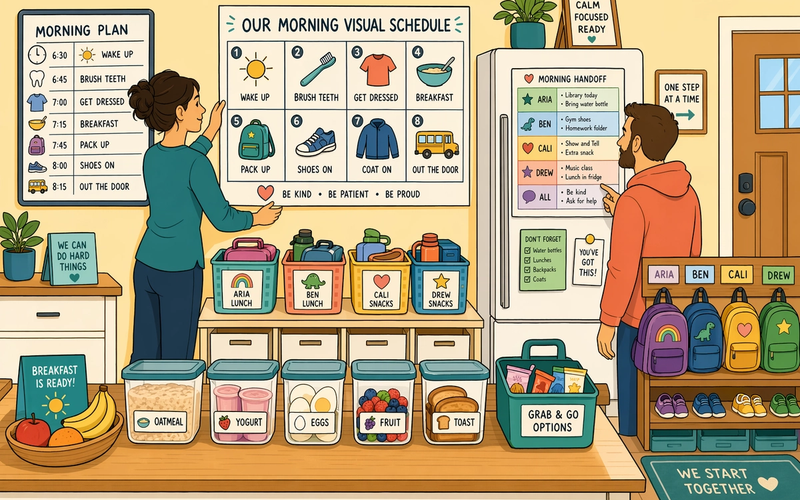
A lot of routine advice for neurodivergent families gets framed as a child-behavior problem: find the right cue, repeat the script, stay consistent, try again to...

There's a version of the fourth trimester that nobody puts in the books. Everyone tells you about the sleepless nights. The feeding marathons. The diaper count....

We’re excited to announce the launch of our new Model Context Protocol (MCP) server, allowing you to turn your favorite AI assistant into your family’s new perso...
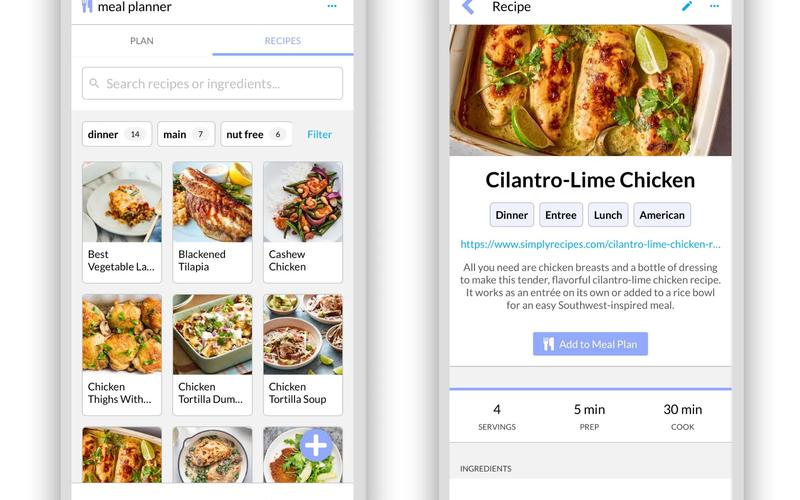
We’re excited to introduce another one of our most requested features — the Recipe Box! You can now store all of your family’s favorite recipes, schedule them in...

We’re excited to introduce one of our most requested features — iPad and tablet support! The app now takes full advantage of the large screen sizes the iPad and ...
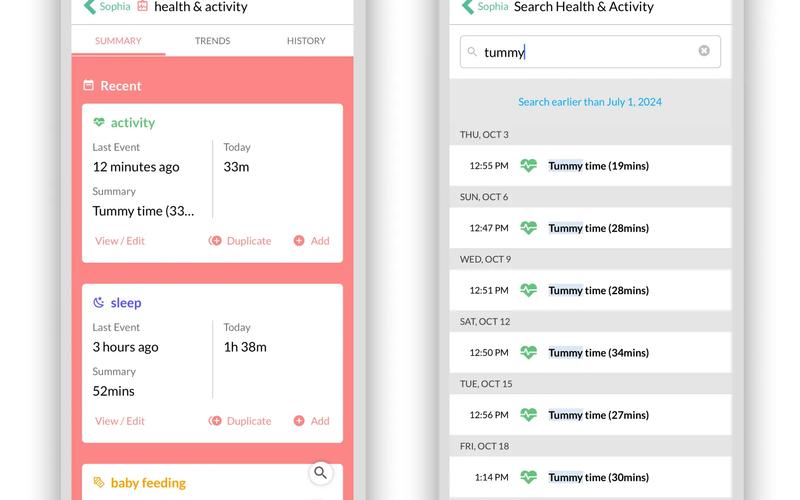
We’re happy to introduce the new Health & Activity Search feature that lets you quickly search across all health & activity events for a particular Family Member...
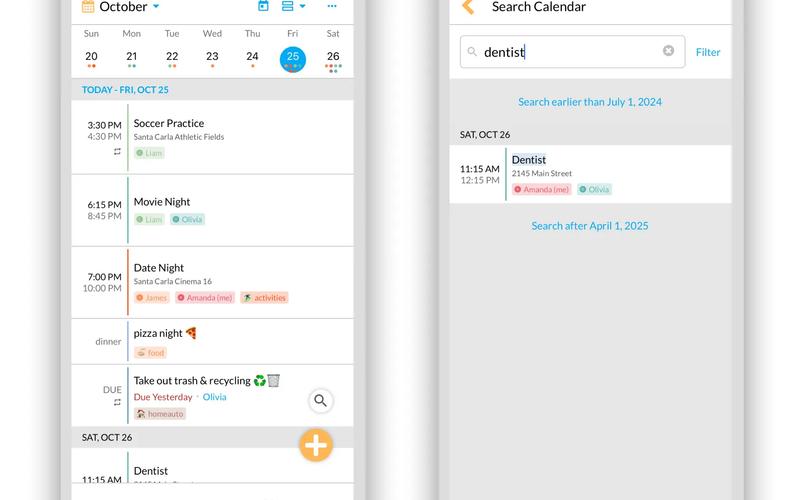
We’re happy to introduce the new Calendar Search feature that lets you quickly search across all content in your calendar. Whether you’re looking for your family...
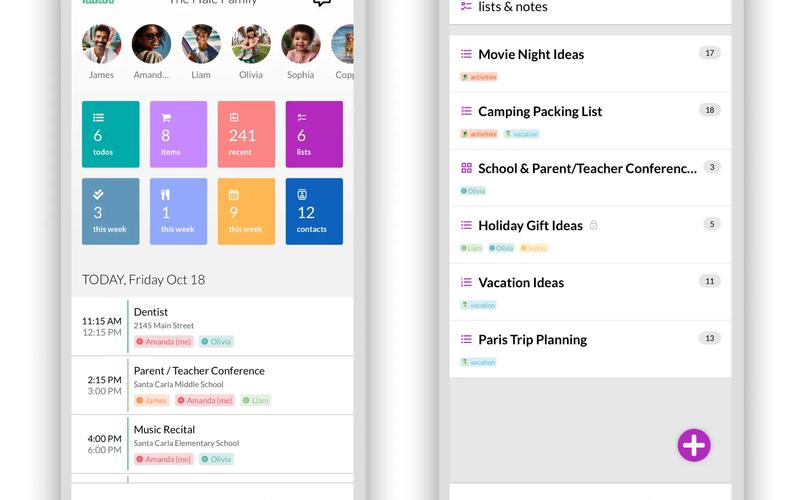
We’re excited to introduce the new Lists & Notes feature. Whether it’s a packing list for a camping trip or notes from parent teacher conferences, the new Lists ...
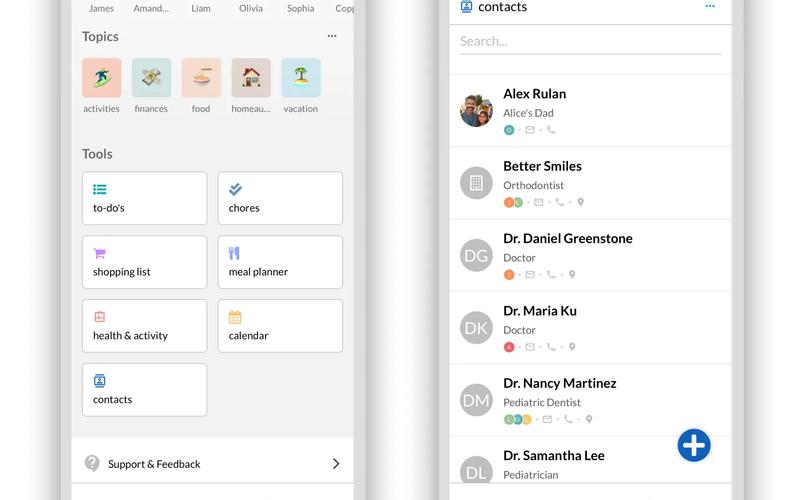
We’re excited to introduce the new Contact List feature, allowing your family to share all of your important contacts in a single place. Contact List The new C...
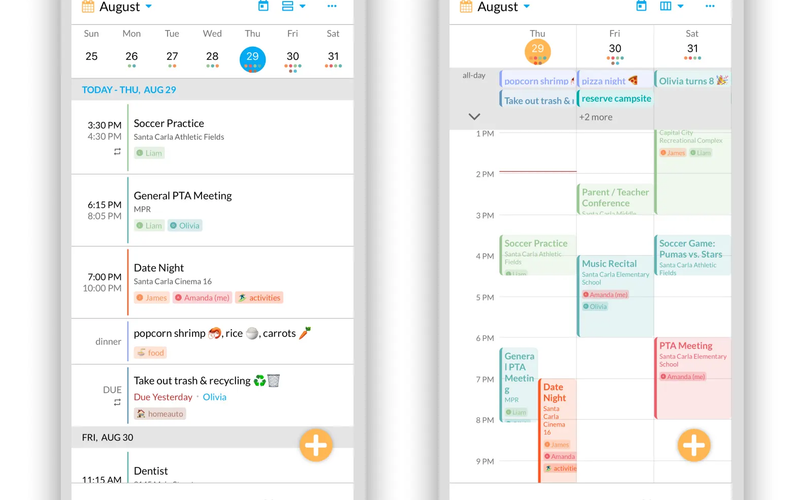
We’re happy to introduce several new features that let you better customize the look-and-feel of the app and more easily organize your calendar. You can now cust...
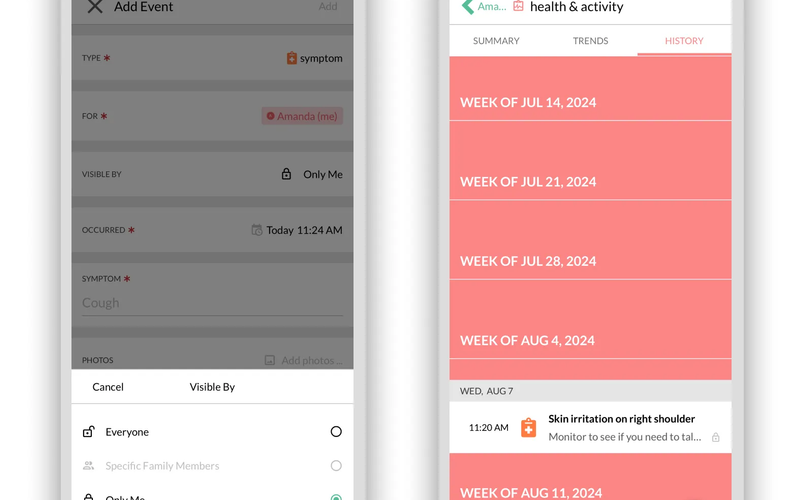
We’re excited to introduce the new Premium subscription plan along with several new features, including private content, a new merchant shopping list view, and s...
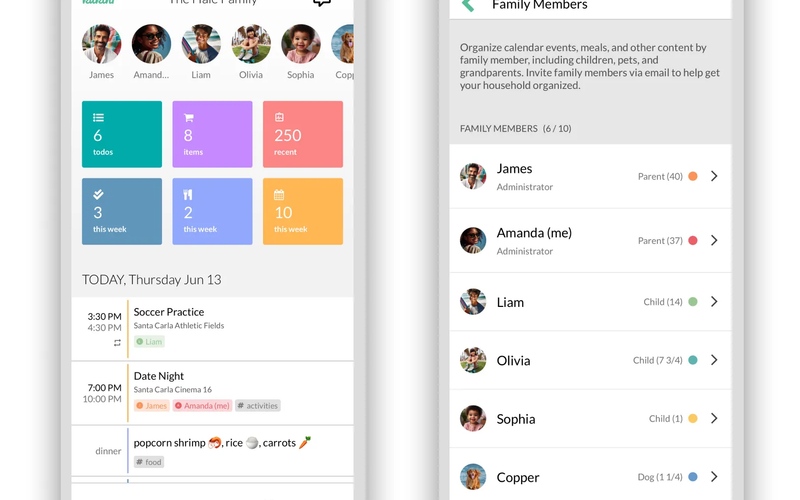
We’re excited to introduce one of our most requested features — image upload! You can now upload profile photos and attach images to calendar appointments, to-do...
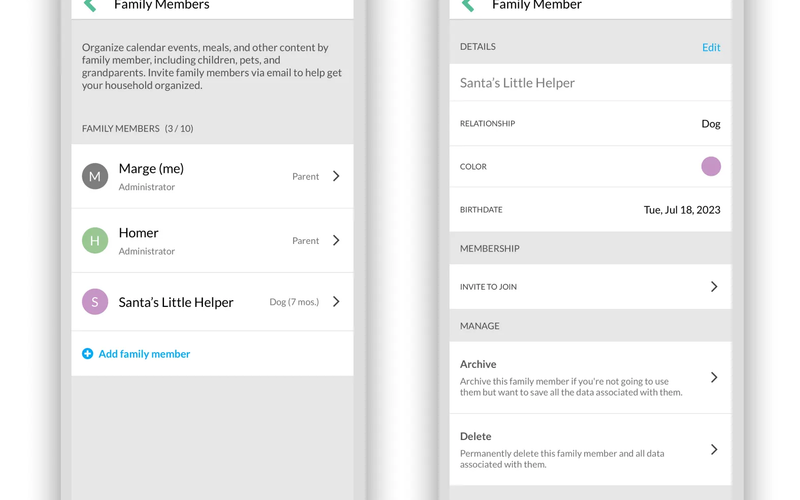
We added the ability for team administrators to permanently delete family members and topics from their teams as well as the data associated with them. Delete F...
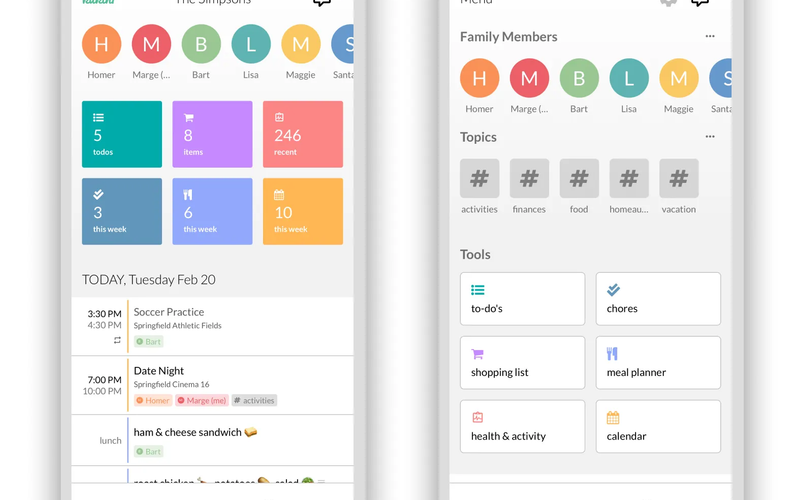
We’re happy to introduce major updates to navigation, including a new bottom navigation bar, filtered views, sorting capabilities, messaging screens, and bug fix...
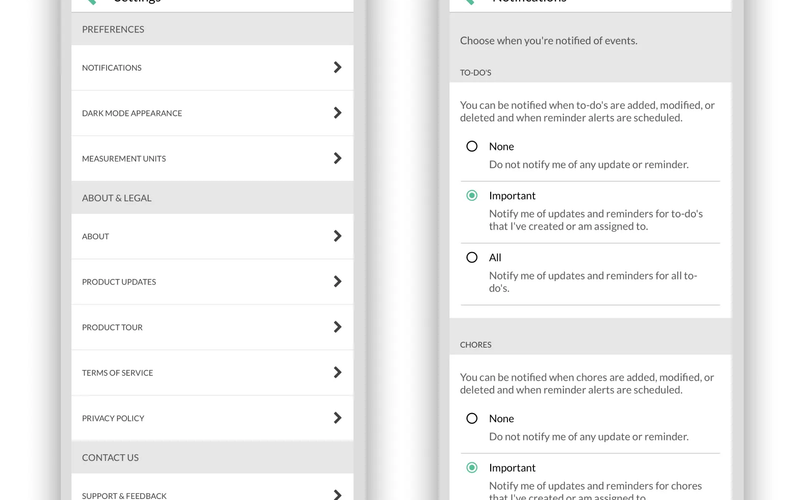
We’re happy to introduce new notification preferences to give you more control over when you receive notifications. Notification Settings New notification pref...
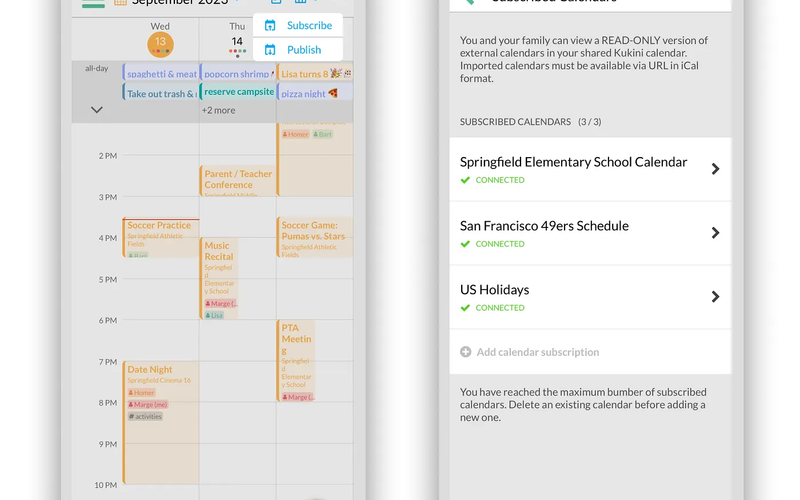
We’re excited to introduce our most requested feature — subscribing to external calendars! You can now subscribe to external calendars, including Google, Outlook...
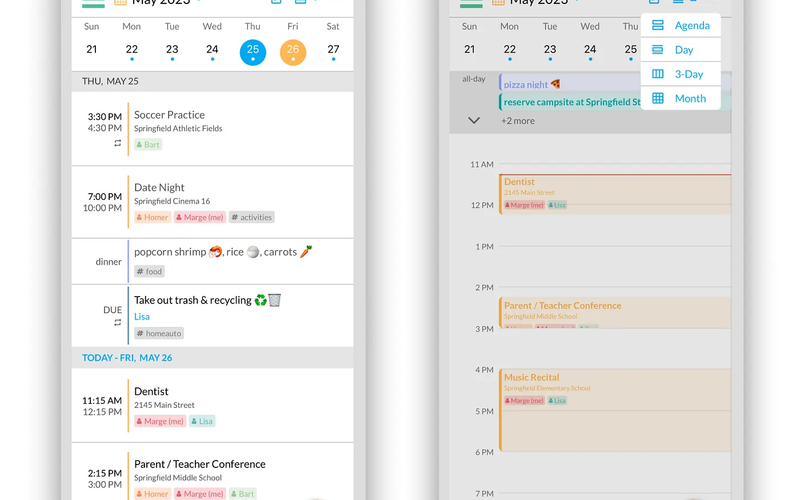
We’ve added several improvements to the calendar and design changes to support improved accessibility. You can now view the calendar in 1-Day, 3-Day, and Month v...
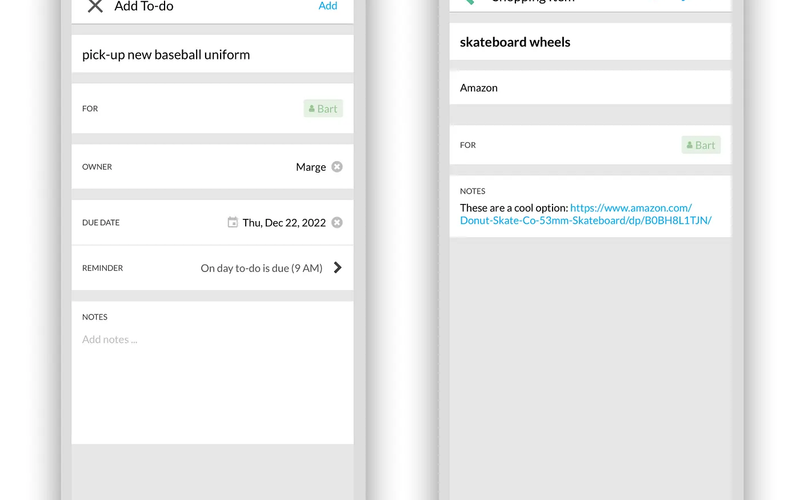
We’ve added several new features all based on user requests. You can now add notes to to-do’s, shopping items, and meals; configure to-do reminders; manage the l...
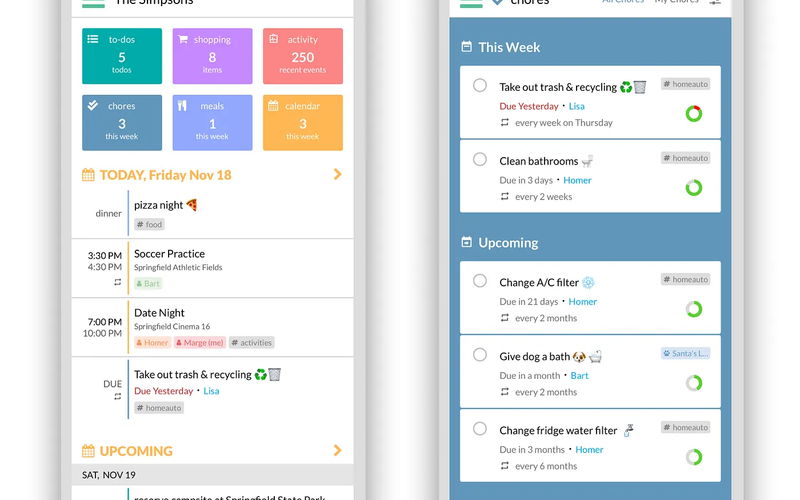
We’re happy to introduce our most requested feature: chores! You can now schedule recurring chores, assign them to family members, and configure reminder alerts....
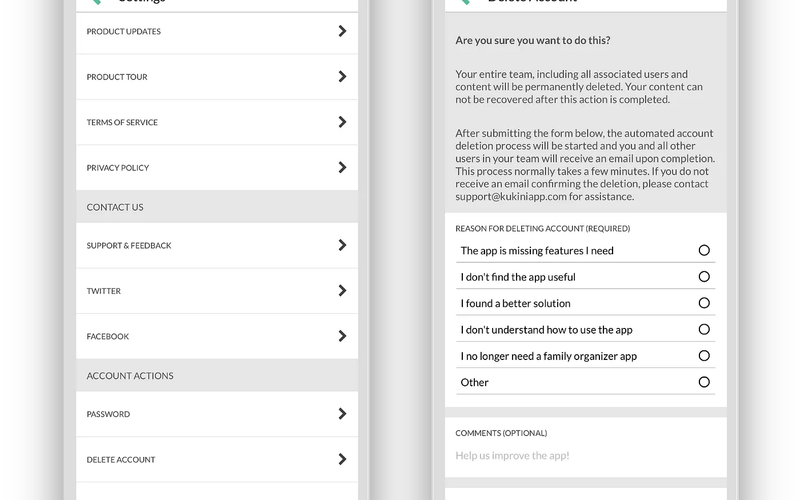
We’re happy to introduce new features to give users more control over their accounts and data when they’re done using the service. Team administrators and users ...
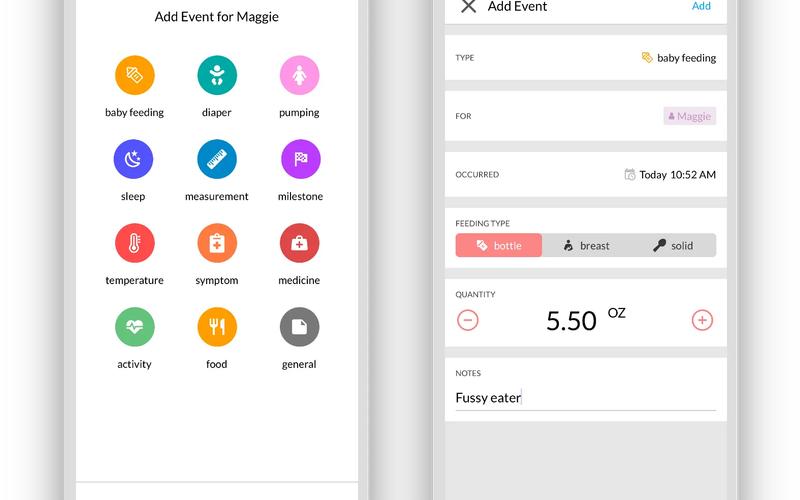
We’re excited to announce major improvements to health & activity tracking. You can now record health & activity events with quantitative values and view trend c...
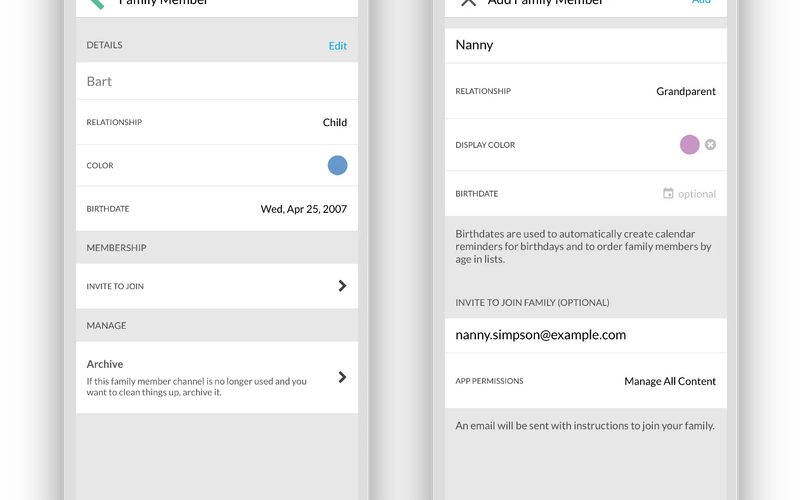
Multiple Team Members We’re excited to announce support for one of our most requested features — multiple team members! You can invite family members to join yo...
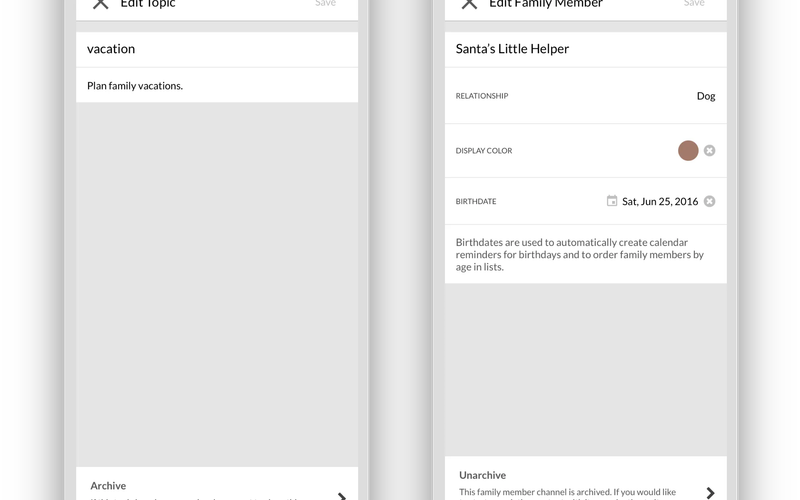
Archive Topic & Family Member Channels Based on user request, we’re happy to add the ability to archive topic and family member channels — just in time to add t...
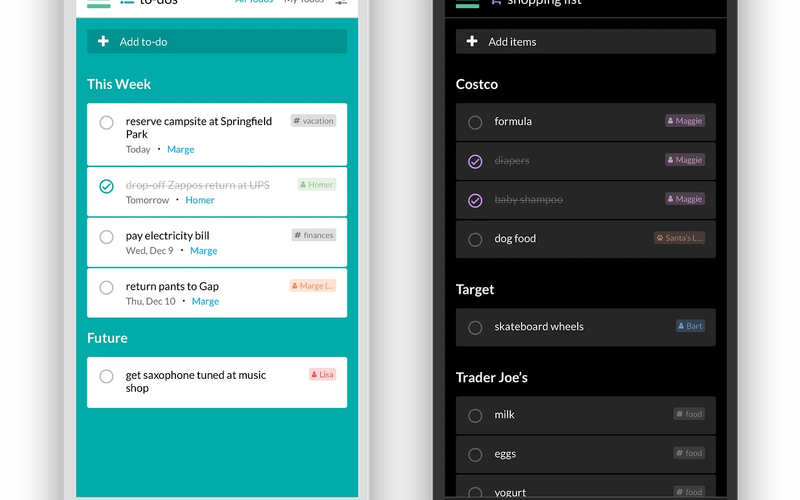
We’re happy to release another feature based on feedback from our users, including the ability to manually clear completed items from lists as well as several de...
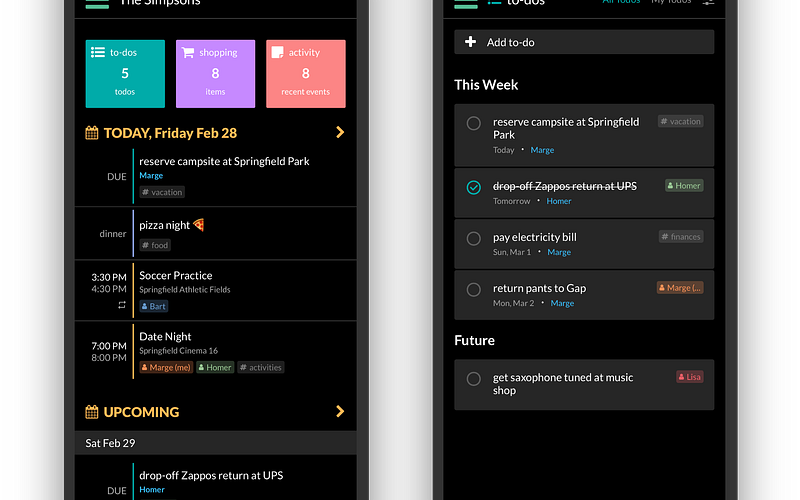
We’re excited to announce the introduction of Dark Mode! We also released a more focused design for the To-do’s screen along with some performance improvements a...
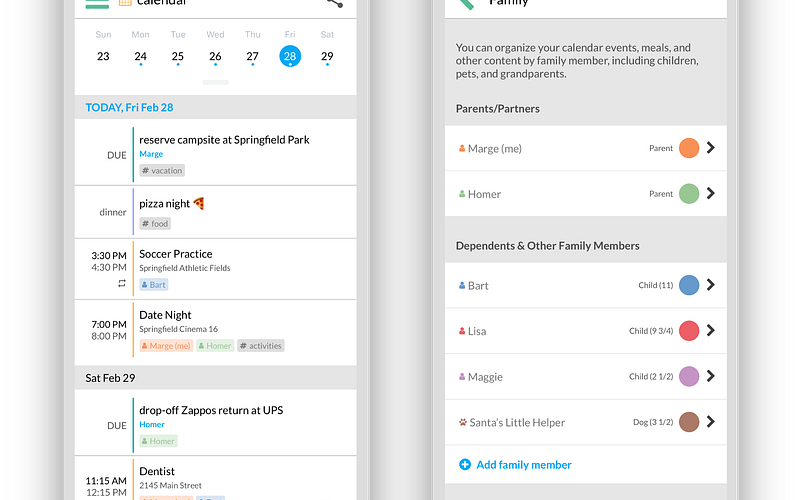
Assign Colors to Family Members, Multiple Attendees, Birthdays We’re happy to announce several improvements to the app based on user feedback, including making ...
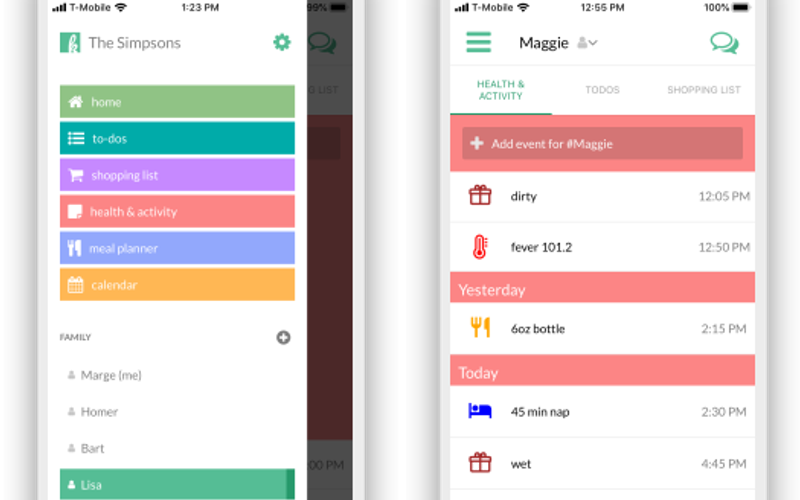
Family Member View, Faster Data Entry, Improved Sign-Up Flow, and More We’ve been busy over the last month making accessing a particular family members data eas...
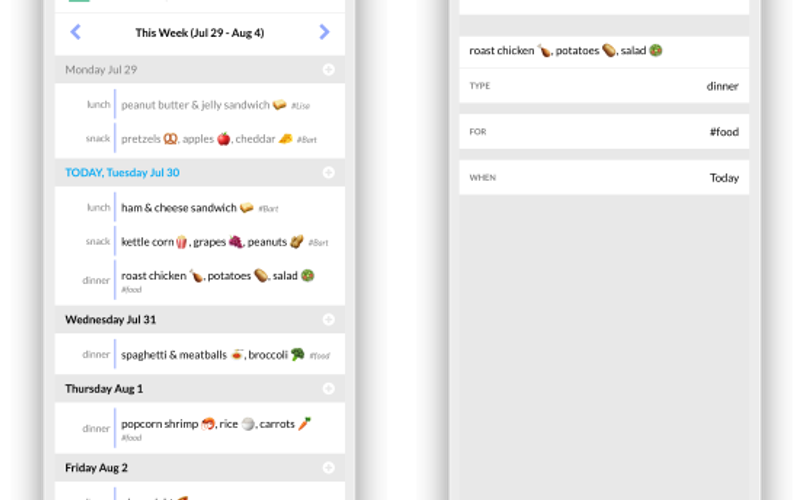
New Feature: Meal Planner We’ve made a handy addition to the existing meal planner by adding a dedicated screen allowing you schedule breakfasts, snacks, lunche...
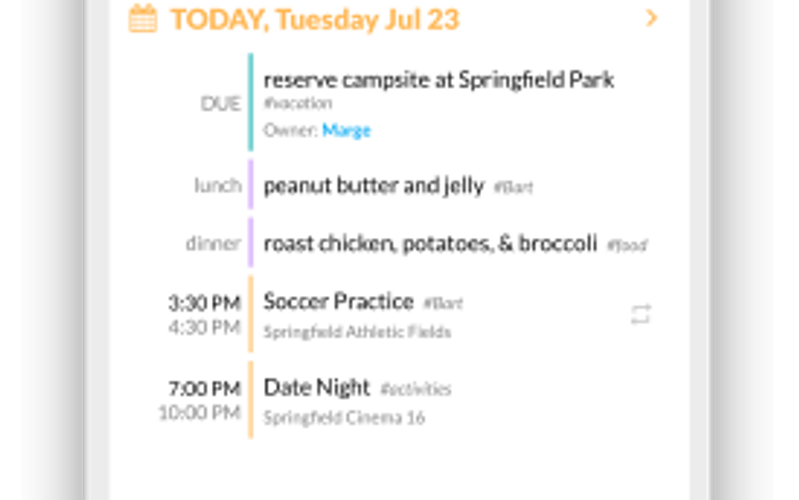
New Feature: Shared Family Calendar We’re excited to announce a new shared family calendar feature, including appointments, recurring meetings, configurable rem...