The 547 score is a household systems story
 Kukini Team • 3 min read • June 15, 2026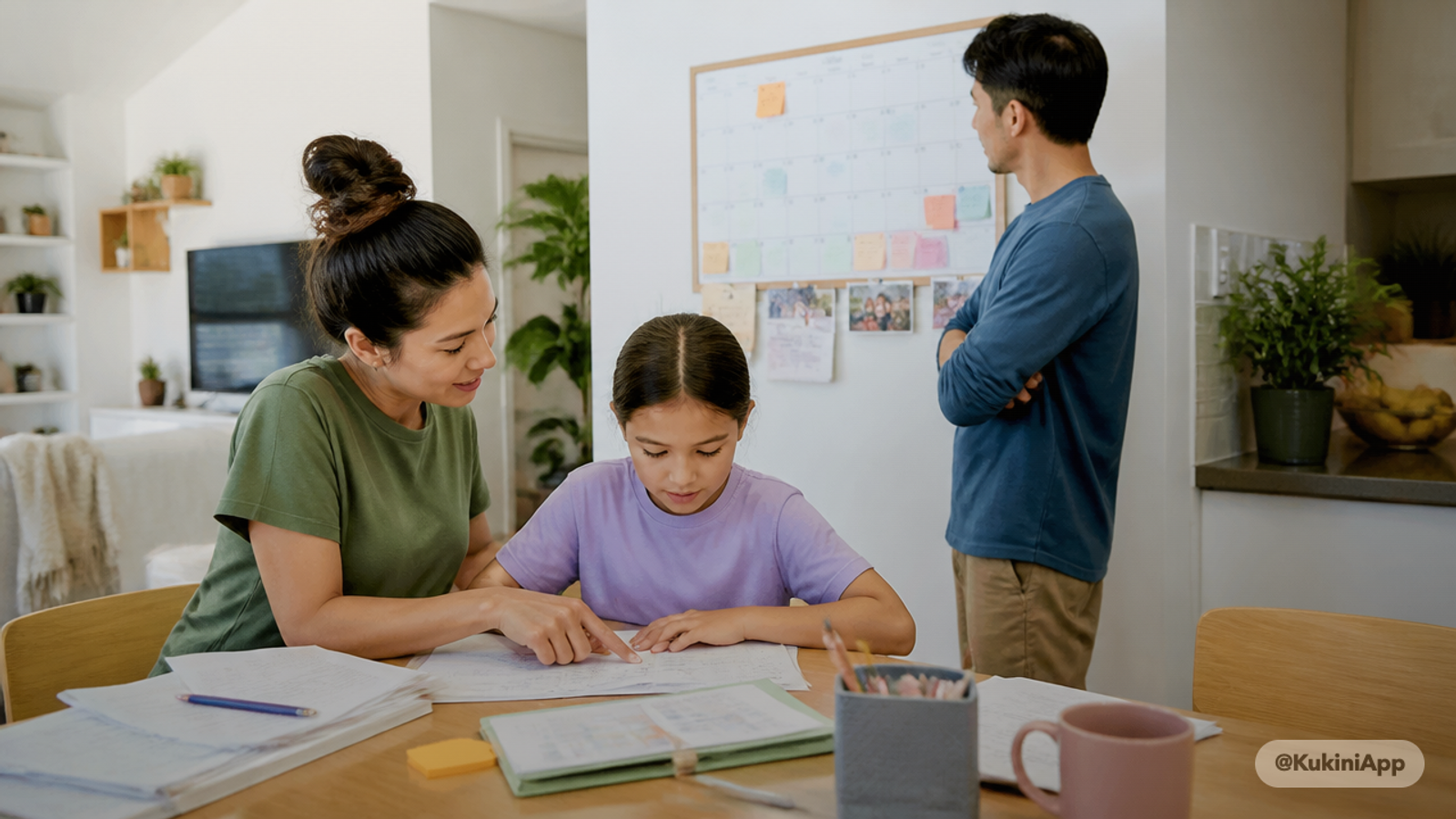
The easiest way to read the new Kids Count score is as a ranking update. The more useful way is to read it as a systems signal. When child well-being falls from 553 to 547, and 29 states are now below pre-pandemic levels, the point is not just that one number moved. It is that the conditions around families are getting harder to depend on. That matters because family life is already a long chain of handoffs, reminders, appointments, forms, and small decisions that have to happen on time. When the surrounding systems get noisier, the household load gets heavier. U.S. News / HealthDay coverage makes that decline visible, and the broader pattern is worth slowing down for.
The score is a signal, not just a statistic
The Annie E. Casey Foundation's 2026 Kids Count Data Book shows national child well-being falling from 553 in 2019 to 547 in 2024. That is not a dramatic collapse, which is part of why it is easy to overlook. But it is still a meaningful drift in the wrong direction, and the report says 29 states are now below pre-pandemic levels. In other words, this is not one isolated bad year. It is a broader signal that the environment around families has become less stable.
Families feel systems strain in ordinary ways
Parents do not experience policy or infrastructure as a chart. They experience it as the school email that arrives late, the appointment that is harder to schedule, the bill that suddenly takes more room in the budget, or the day when every errand turns into three extra steps. That is why the source pack's framing lands: when school, health, housing, and logistics all get harder at once, the pressure shows up inside the house. It feels less like one problem and more like a constant background strain.
The household becomes the last reliable system
When outside systems get noisier, families often absorb the extra work themselves. One person remembers the form, another one handles the pickup change, and somebody else keeps track of the appointment or the meal plan. That keeps things moving, but it also hides how much coordination is happening behind the scenes. The more fragile the outside system feels, the more the household has to operate like its own small operations center.
Shared tools reduce the friction
This is where a practical coordination layer matters. A shared calendar, a shared contact list, a meal planner, and a health log will not fix the larger trends in the report. But they can reduce the duplicate work that families absorb when life gets noisier. They make handoffs visible, lower the chances of missed updates, and keep one person from becoming the memory for everything.
Make the system a little more shareable
The point of reading this report carefully is not to panic over one score. It is to notice that families are being asked to do more coordination in a less forgiving environment. That is a recipe for fatigue, not failure.
A good next step is small: pick one recurring handoff in your household and make it visible to everyone who needs it. A little less hidden work can go a long way.