Not every family task should be handed to AI
 Kukini Team • 3 min read • July 15, 2026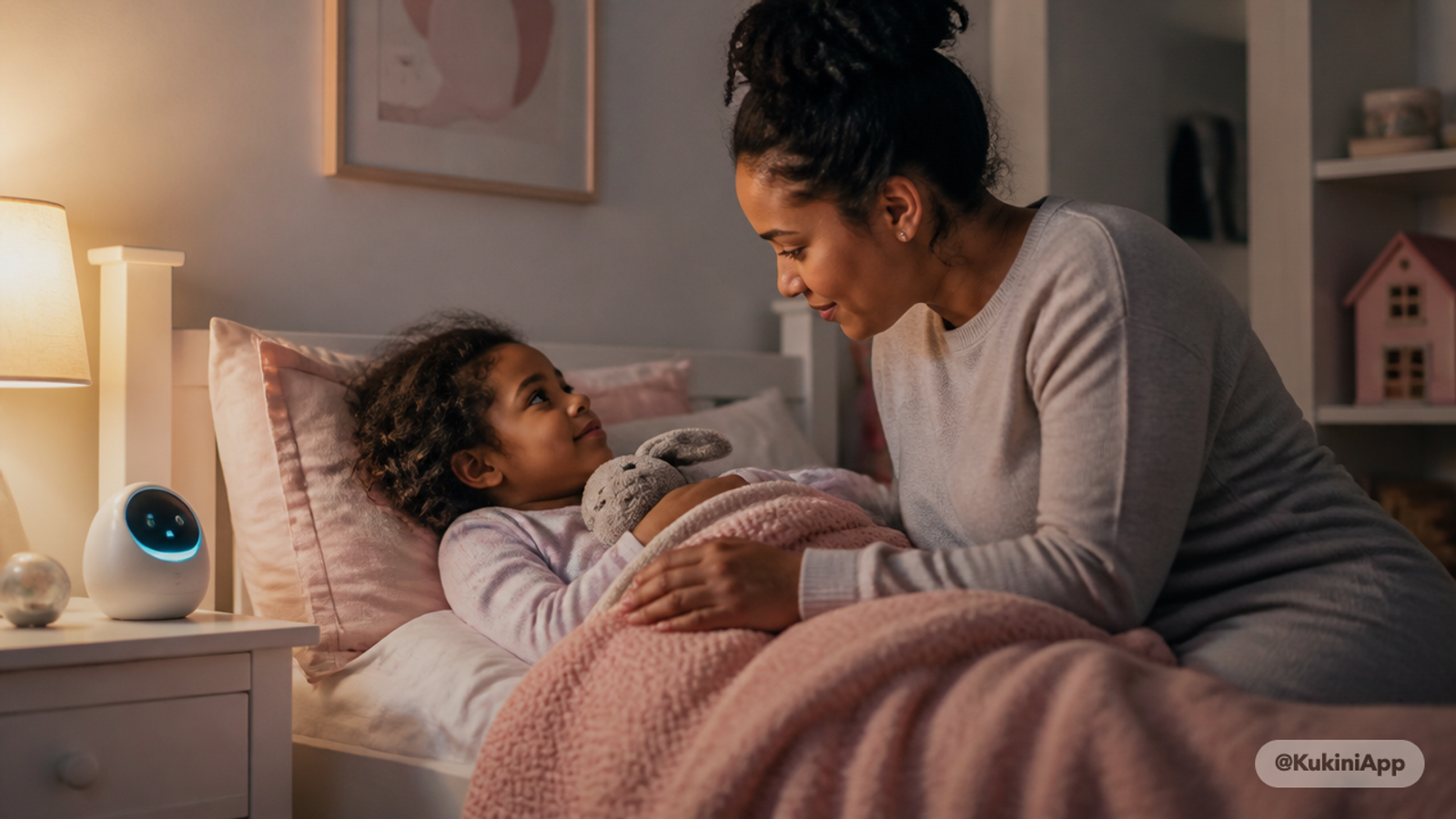
AI is already good at the parts of family life that feel endless: scheduling, reminders, lists, and the small coordination jobs that eat up the day. That kind of help matters, especially when a household is already stretched thin. But convenience can blur into something bigger, and not every family task should be treated like a workflow problem. Recent coverage from NPR and Axios is a useful reminder that the real question is where support ends and attention begins. That distinction matters most in the places where kids and caregivers need a real back-and-forth, not just a response. Once you see that line, the practical choices get clearer.
Why attention is the real boundary
The strongest warning in the source material is not that AI exists in family life. It is that tools designed to entertain, tutor, or soothe can slowly crowd out the human back-and-forth that helps children grow. That is the heart of the 'Trojan teddy bear' framing from NPR: the risk is not only what a machine does, but what it replaces. If a tool removes the ordinary friction of talking, waiting, noticing, and responding, it may be doing more than helping.
What AI is genuinely good at
Some family tasks are easy to hand off because they are about coordination, not connection. Reminders, grocery lists, calendar cleanup, packing checklists, and routine planning are all fair game when the goal is to reduce friction. Those tasks do not need emotional judgment in the moment, and they can free up attention for the parts of family life that do. Used this way, AI is a support tool, not a substitute parent.
What should stay human
Other moments are different. Comforting a scared child, reading the room in a tense conversation, or deciding how to respond to a sensitive situation all depend on context, trust, and human judgment. The research summary points toward a similar idea on the family side: parents want transparent, age-aware controls, not a blunt yes-or-no approach. That makes sense. Families do not need a ban on AI to know that some moments are too personal to hand over.
A simple way to draw the line
A practical rule is to ask two questions before handing something to AI: does this task need care, or does it just need coordination? And if a machine handled it, would anything important about the relationship change? If the answer involves trust, emotion, or presence, the task probably belongs with a human. If the answer is mostly about saving time and keeping the household organized, AI can probably help without doing damage.
Use AI where it reduces friction, not where it erases care
Families do not need another all-or-nothing argument about technology. They need a steadier way to decide what deserves automation and what deserves attention. The point is not to be suspicious of every tool. It is to protect the moments that build trust, connection, and judgment while letting machines handle the rest.
That is a more useful boundary than convenience alone. If AI gives you back time, use some of that time for the work only a person can do. Then the tool is helping the family, not quietly taking its place.